
Spring Garden Preparation: Why Leaving It Too Late Will Cost You
Every year, without fail, we get the same calls in April and May. Homeowners who have watched the weeks slip by, who meant to sort the garden in February, then March, and now it’s suddenly warm and sunny and everyone wants to be outside — and the garden isn’t ready. It’s a pattern we recognise well, and it’s one that’s genuinely worth avoiding.
Spring garden preparation isn’t just a nice-to-do. Done at the right time, it sets the tone for how your outdoor space looks and functions for the entire growing season. Leave it too late and you’re not just playing catch-up — you’re limiting your options.
The Window Is Shorter Than You Think
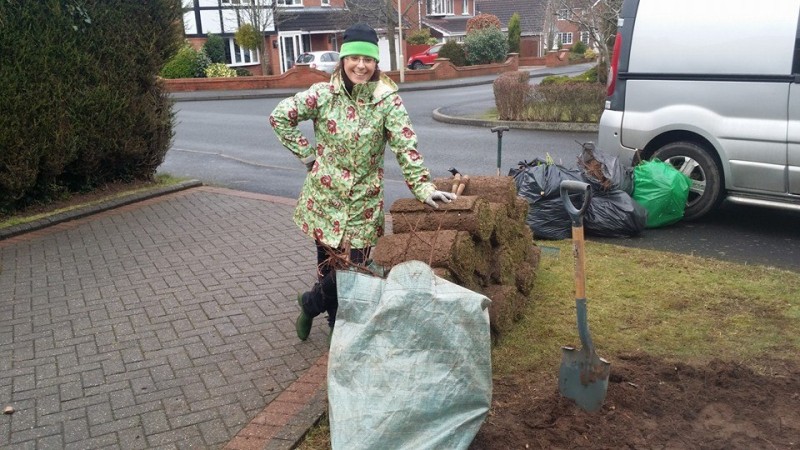
March is the sweet spot. The ground is starting to warm, conditions are improving week on week, and there’s still time to get things properly established before the growing season hits its stride. Plants put in now have time to settle their roots before the heat of summer arrives. Turf laid now will knit together and green up beautifully. Borders prepared now won’t be scrambling to catch up.
By contrast, leave it to late spring and you’re working against yourself. Planting into warm, dry ground is harder on plants and harder on you. Establishment takes longer, watering demands go up, and the garden never quite looks as settled and natural as it would have done with a bit more time behind it.
Spring garden preparation done in March is almost always spring garden preparation done better.
Plant Borders: The Heart of a Spring Garden
Of all the things we work on at this time of year, plant borders are where the transformation is most visible. A well-planted, well-prepared border does something a patio or a lawn on its own can’t quite manage — it gives a garden life, movement, and a sense that it’s genuinely cared for.
Getting borders right in spring involves more than just putting a few plants in the ground. It starts with the soil. Winter will have compacted things, and before any planting goes in, the ground needs proper attention — but that doesn’t mean digging everything over. Turning soil deeply can actually do more harm than good, disturbing the beneficial organisms that live within it and accelerating moisture loss at exactly the wrong time of year. What makes a real difference is incorporating organic matter — well-rotted compost or manure worked into the surface — which enriches the soil structure, feeds the biology already present, and crucially, improves water retention and drainage. Good soil management at this stage means plants establish quicker, grow stronger, and need less intervention as the season progresses.
March is also the perfect time to tackle perennial weeds thoroughly. With borders relatively clear and new growth only just beginning to emerge, the root systems of problem weeds like bindweed, couch grass, and ground elder are far easier to identify and remove completely. This matters because perennial weeds regrow from even small fragments of root left in the soil — a quick surface tidy won’t do the job. Getting them out properly now, before they get growing in earnest, saves a significant amount of effort later in the season and gives your new planting a clean, uncompeted start.
From there, it’s about choosing the right plants for the space. This is where a lot of homeowners find themselves unsure. The temptation is to pick whatever looks good at the garden centre in March, but that approach often results in borders that look great for a few weeks and then become difficult to manage. Getting the balance right — the right heights, the right spread, plants that will work well together and with the existing garden — takes a bit more thought, and it’s something we genuinely enjoy helping clients work through.
Done properly, a replanted or refreshed border in March will be looking its best by May and June, and will carry colour and interest through into autumn.

What Happens When You Leave It Too Late
We don’t say this to worry anyone unnecessarily, but it’s worth being straightforward about what late planning actually means in practice.
The first issue is availability. Good plants, particularly perennials and shrubs that have been properly grown and are a decent size, get snapped up early. By May, the choice at nurseries and suppliers narrows considerably, and the quality of what’s left tends to reflect that. If you want specific plants or a particular look, earlier is always better.
The second issue is our availability. Spring is one of the busiest periods of the year for us, and we start filling the diary from January onwards. Clients who get in touch in March tend to have far more flexibility in terms of timing. Those who call in May are often looking at waits of several weeks, which by that point starts to push work into the summer proper.
The third issue is the garden itself. A garden that hasn’t been prepared properly — borders left unattended, beds not cleared, soil not turned — will struggle to look its best no matter what you plant into it later. There’s a reason experienced gardeners treat the early part of the year as the most important. The effort put in now pays back many times over once things start growing.
It Doesn't Have to Be a Big Project
One thing worth saying is that spring garden preparation doesn’t have to mean a full overhaul. Sometimes it’s a border refresh — clearing out what’s past its best, dividing plants that have become overgrown, bringing in a few new additions to fill gaps and add interest. Sometimes it’s a single bed that’s always been a bit neglected and could do with proper attention. Sometimes it’s simply getting someone in to assess what’s there and make a plan.
That last option is something we offer through our garden consultation service, which is a good starting point if you’re not entirely sure what the garden needs. Rather than guessing, it’s worth having someone take a proper look, talk through what’s working and what isn’t, and come away with a clear sense of direction.
However involved or straightforward the project, the principle is the same: starting in March gives the garden the best possible chance of looking the way you want it to by the time summer arrives.


A Note on the West Midlands Specifically
Gardens in our area tend to deal with heavier, clay-inclined soils in many spots, which means drainage and soil preparation matter even more than they might elsewhere. Heavy soils compact easily over winter, and incorporating organic matter into them early — before things dry out and harden — makes a particularly noticeable difference to how well plants establish and how the border holds moisture through drier spells.
It’s one of the reasons we always encourage clients in this part of the West Midlands not to wait for the first warm weekend in April before thinking about the garden. By the time the weather feels genuinely spring-like, the best window for preparation is often already narrowing.
Getting Started
If your garden needs attention this spring and you’d like to talk through what’s involved, we’re happy to have a conversation. We cover Stourbridge, Hagley, Halesowen, Dudley, Wolverhampton, Birmingham, and the surrounding areas, and we’re currently booking for spring work now.
You can get in touch via our website or give us a call. The earlier you get in touch, the more options we have to fit things around you.
Get in Touch