Preparing West Midlands Gardens for Hotter Summers
The past few years have brought unprecedented weather conditions across the West Midlands, with record temperatures leaving many outdoor spaces struggling to cope. Long dry spells and intense heat waves left classic British lawns parched, soil cracked, and many back gardens uncomfortably hot to spend time in. It has become increasingly clear to homeowners and landscapers alike that hotter summers are not just a passing anomaly; they could be here to stay as part of our permanent seasonal pattern.
Rather than waiting until July when the sun is blazing and the ground is baked hard, November provides the perfect, quiet window to prepare. While the garden rests and plant growth slows down, we have the time and clear visibility to assess how our plots performed this year. Planning structural changes now means you can adapt your space thoughtfully, turning a garden that buckles under extreme heat into an outdoor haven built to flourish through hotter summers.
Rethinking the English Lawn
For generations, the pristine, expansive lawn has sat at the centre of British garden identity. Known internationally as the classic English lawn, wide stretches of fine green turf look glorious under gentle rain and moderate temperatures. However, when faced with consecutive weeks of severe drought, keeping large swathes of grass lush becomes unsustainable and impractical. Lawns turn brown, leaving homeowners with extensive patches of scorched turf right outside their back doors. While turf does bounce back admirably once autumn rain arrives, looking at dead grass throughout the peak of summer is disheartening.
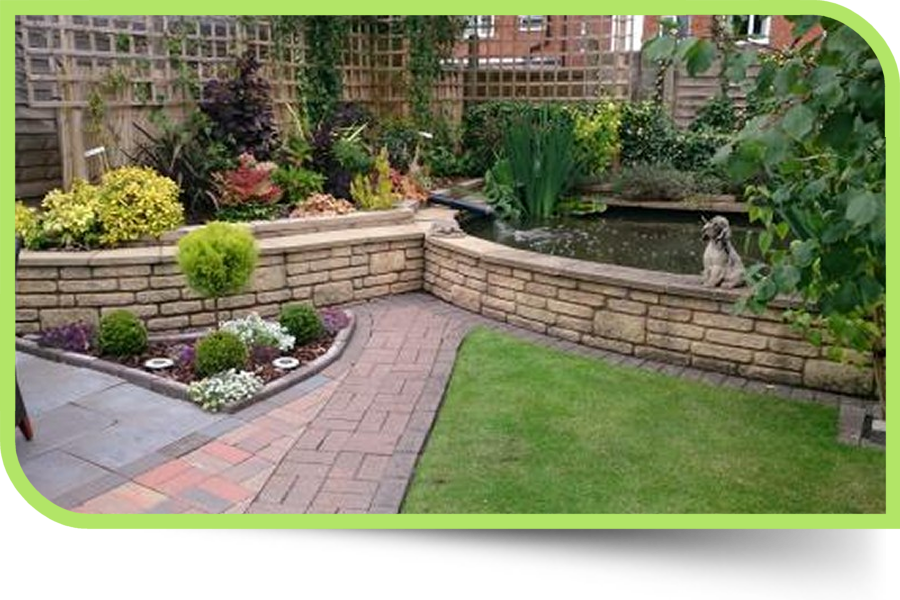
A more sustainable answer is to reconsider how much lawn your household genuinely needs. Keeping a neat, central lawn area provides that lovely feeling of soft grass underfoot, but trimming the perimeter allows you to introduce deep planting beds filled with drought-tolerant shrubs and perennials. Shrubs with substantial root systems, waxy foliage, or silver-grey leaves cope far better with moisture stress than shallow grass roots. By reducing the overall turf footprint, you protect your garden against the harsh visual impact of hotter summers while cutting down on constant maintenance and water usage.
Structural Planting for Natural Cooling
One of the most effective ways to lower the temperature in a garden is through nature itself. Bare hardscaping and exposed ground reflect heat back into the surroundings, intensifying the warmth. In contrast, layered planting works as natural air conditioning. Tall hedges, dense boundary shrubs, and specimen trees absorb heat, filter dust, clean the air, and cast cooling shade over seating areas.
November is the traditional planting window for bare-root trees and hedging, making it the ideal time to establish shade for the future. When you plant while the soil still retains some autumn warmth, trees and hedge whips have several quiet months to settle their root systems before top growth begins in spring. Deciduous trees offer the best of both worlds: they provide thick, dappled shade when foliage is full through hotter summers, and drop their leaves in winter to let precious low sunlight reach your home. Adding a timber pergola wrapped in climbing plants such as sun-loving grape vine, or positioned near a mature hedge, instantly creates an outdoor room that feels several degrees cooler than an open patio.
Repurposing Neglected Corners
Almost every property has that awkward, damp corner that rarely gets used. It might be a tucked-away spot behind a garage, a space bordered by tall brick walls, or a pocket shaded by neighbouring trees that feels too gloomy or damp during wet autumn days. We often overlook these areas when planning our gardens, leaving them as forgotten utility zones.
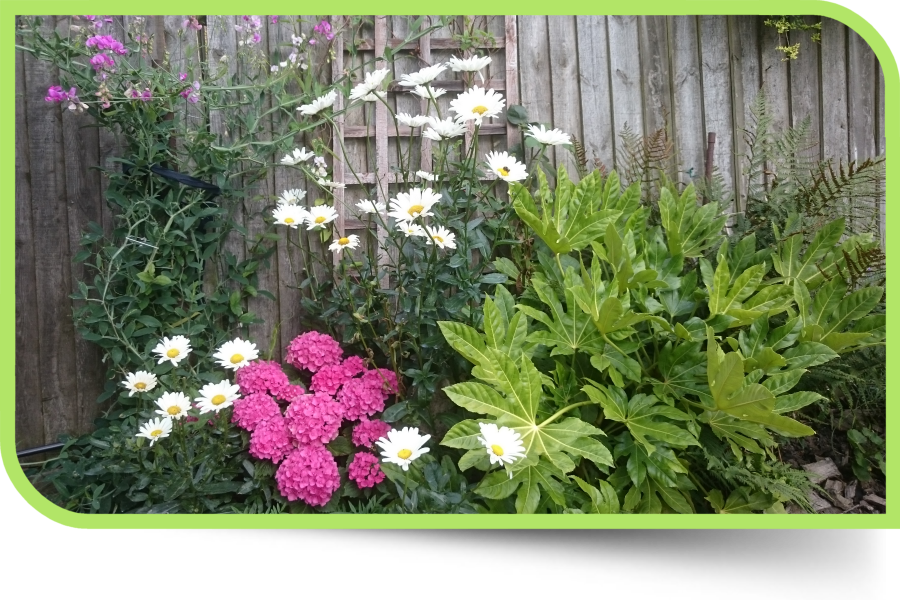
Yet during heat waves, these exact spots become the most valuable real estate in your garden. When direct sun turns the main patio into an oven, a sheltered, shaded corner offers natural relief from the glare. With clean paving, comfortable seating, and shade-loving architectural planting like ferns, hostas, and hydrangeas, you can convert an underused alcove into a tranquil summer retreat where you can sit and read in cool comfort. Adapting your garden is all about balance, ensuring you have bright spots for spring mornings and sheltered, cool zones for the height of July and August.
Planning Ahead with Design Consultations
Adapting an established outdoor space to cope with shifting conditions takes careful observation and tailored planning. You need to understand where the sun moves across your boundaries, how wind flows through your fences, and which areas retain soil moisture best throughout the year. Taking time during the calm November period to sketch ideas and set priorities ensures that any landscaping work carried out over the winter is purposeful and resilient.
If you are looking to rework your layout to handle hotter summers, our remote garden design consultation is available for £75. We review your plot directly with you on screen, analysing sunny zones, natural shade, soil structure, and planting opportunities to produce a practical, tailored layout plan. By taking thoughtful action now, your garden will be ready to thrive no matter what the weather brings next year.