Why We Fight for the Traditional English Lawn Over Artificial Grass
High summer weather brings long sunny days to West Midlands gardens, but prolonged dry spells and high temperatures also place considerable stress on lawns, borders, and potted displays. Finding the right balance between keeping plants hydrated and managing water usage responsibly requires a thoughtful approach to seasonal care. By understanding how plants absorb and retain moisture, homeowners can protect their outdoor spaces while building a more resilient garden for the future. Here are practical summer garden watering tips to help your borders thrive during hot weather.
Choosing Plants for Warm and Dry Conditions
One of the most effective long-term strategies for managing dry weather is selecting plant species that are naturally adapted to lower moisture levels. Starting your garden design with drought-tolerant varieties creates a resilient foundation that requires far less manual intervention during heatwaves.
Succulents and alpine plants are prime examples of species that thrive in dry environments. Looking into the geographic origin of a plant offers valuable clues about its ideal environmental conditions. Plants originating from Mediterranean regions or dry gravel plains naturally store moisture in their fleshy leaves or dense root systems.
By contrast, heavily cultivated new plant varieties, particularly variegated specimens, tend to be less resilient during dry spells. Because variegated foliage contains less chlorophyll, these plants work harder to process sunlight and lose moisture rapidly under direct heat. Incorporating naturally hardy species alongside more decorative varieties ensures your borders remain structural and healthy even when rainfall is scarce. Applying these summer garden watering tips at the plant selection stage will save considerable effort in future seasons.
Encouraging Deep and Resilient Root Systems
It is natural to assume that plants need frequent daily watering when the weather turns dry. However, light and frequent surface watering can actually cause long-term harm to a plant’s root architecture. When water only dampens the top half-inch of soil, roots stay near the surface where the moisture sits, leaving the plant vulnerable as soon as the topsoil dries out under the afternoon sun.
Watering too much and too often effectively spoils plants, making them lazy because they do not need to work hard to find moisture deep in the ground. Soaking the root zone heavily every few days encourages roots to grow deeper down into the subsoil. Deep root systems cushion plants against surface evaporation, allowing them to remain stable and hydrated even during prolonged dry spells.
The Role of Mulching in Moisture Retention
Exposed soil loses moisture rapidly through evaporation, often leaving borders bone dry by lunchtime on warm August days. Applying a generous layer of organic mulch across garden borders is one of the single most effective summer garden watering tips you can implement. Materials such as bark chippings, well-rotted manure, or leaf mould act as a protective blanket over the soil surface.
Mulching eliminates direct surface evaporation, keeping the root environment at a constant, cool moisture level rather than stressing plants with sudden cycles of flooding and drought. In addition to conserving soil water, a thick layer of mulch prevents weed seeds from germinating, removing unwanted competition for soil nutrients.
Efficient Irrigation and Foliage Care
How water is delivered to garden borders makes a significant difference in how effectively plants absorb it. While overhead sprinklers are convenient for lawns, much of the water delivered to borders is lost to evaporation before reaching the soil. Wetting plant foliage under direct summer sunlight can also scorch leaves and encourage fungal diseases.
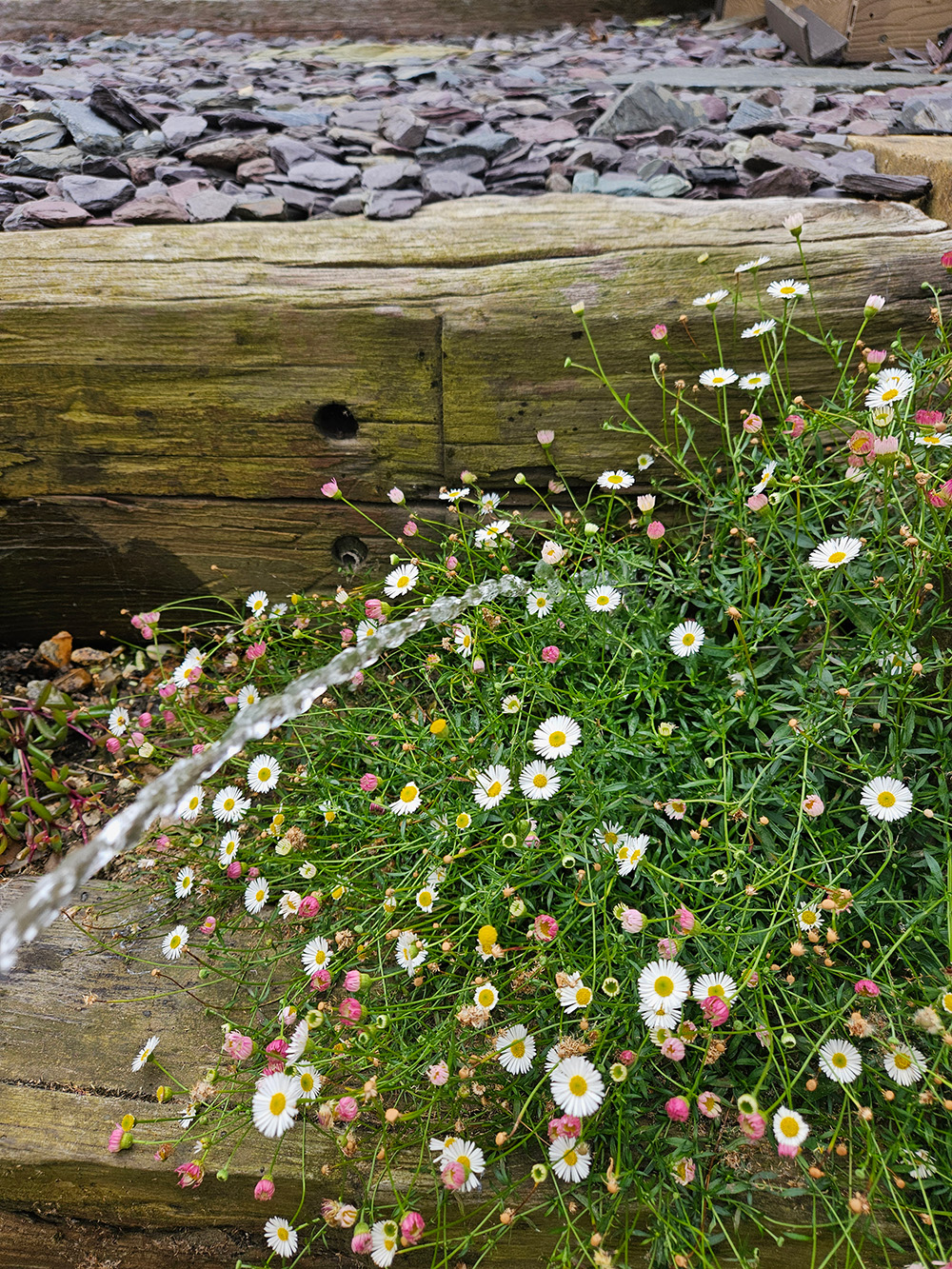
Using a soaker hose laid along the base of borders beneath a layer of mulch is far more effective than using sprinklers. Soaker hoses release water slowly and directly to the soil, allowing moisture to seep deep into the root zone without runoff or evaporation loss.
If a plant does show crisp or dried foliage during a severe heatwave, carefully remove the damaged leaves. Trimming away dry foliage stops the plant from wasting vital resources on damaged stems, allowing it to conserve energy and regenerate fresh growth when cooler weather returns.
Looking Ahead: Why Autumn is the True Planting Season
While warm summer days often inspire new planting projects, high summer is actually a challenging time for young plants to establish. New specimens introduced during hot periods must split energy between settling into fresh soil and surviving high evaporation rates caused by warm air.
This is why autumn remains the ideal season for introducing new trees, shrubs, and perennials. Soil temperatures remain warm from summer, but rainfall increases and air temperatures cool down. Plants introduced in autumn have several months to establish deep, strong root systems before the next summer arrives, giving them a much higher chance of surviving future dry spells.
Combining these practical summer garden watering tips with a long-term seasonal planting plan will keep your garden healthy year after year. For tailored advice on plant selection, border care, or wider landscaping across Stourbridge, Halesowen, Dudley, and surrounding areas, feel free to contact our team for a free local project quote.