The Best Plants for West Midlands Gardens
Gardening advice is everywhere, but a lot of it isn’t written with the West Midlands in mind. What thrives in a sheltered coastal garden or a dry southern county doesn’t always perform the same way here. Our climate, our soils, and our rainfall patterns are their own thing, and the plants that do well in our region are worth knowing about.
This isn’t an exhaustive list. It’s a practical one, based on what we see performing well year after year in gardens across Stourbridge, Halesowen, Dudley, Wolverhampton, and the surrounding areas.
Understanding what we’re working with
The West Midlands sits inland, which means we don’t get the moderating effect of the coast. Winters can be cold and frosty. Summers are warm but rarely scorching. Rainfall is reasonably consistent throughout the year, though we do get dry spells in summer that can stress plants if they’re not established or well-mulched.
Soils vary quite a bit across the region. Heavy clay is common, particularly across much of the Black Country and south Birmingham. Clay holds moisture well but can become waterlogged in winter and crack in summer if not managed. Incorporating organic matter regularly is the best way to improve its structure over time. Lighter, sandier soils drain more freely but need more work to retain nutrients and moisture.
Most plants that are described as suitable for UK gardens will grow here. The ones that really thrive are those that can handle a cold snap, don’t object to clay, and don’t need constant dry, sunny conditions to perform.
Reliable shrubs
Shrubs provide the backbone of a good border and tend to need the least intervention once they’re established.
Viburnum is one of the most dependable choices for West Midlands gardens. Varieties like Viburnum tinus flower through winter and into spring, providing interest when most other plants are dormant. It tolerates clay, handles exposed spots, and needs very little attention once established.
Photinia Red Robin is another stalwart. The new growth flushes bright red in spring and again after trimming, giving a garden colour and structure without much effort. It grows well in our climate and is tolerant of most soil types.
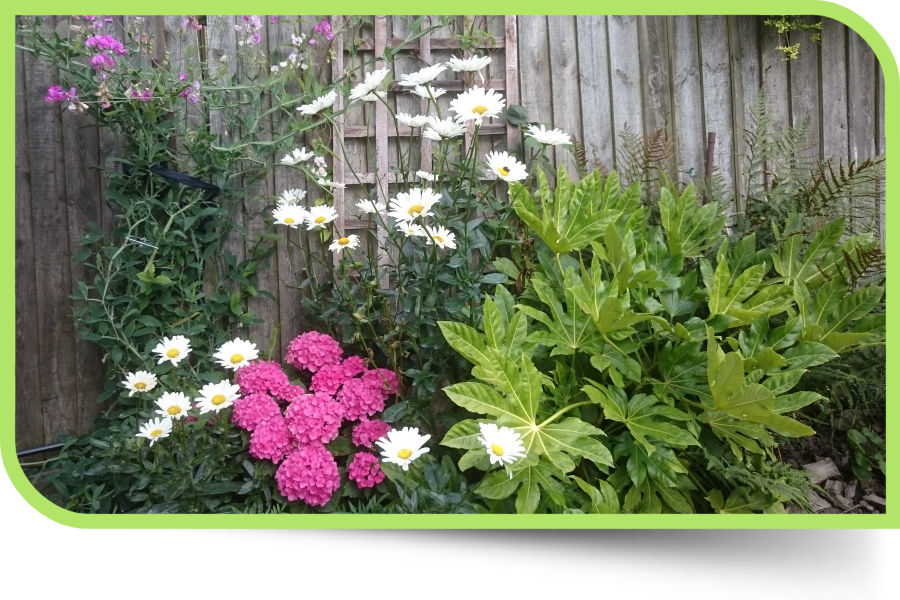
Hydrangeas perform extremely well here. The reliable rainfall suits them, and the slightly acidic soils found in parts of the region can bring out good colour in the mophead varieties. Hydrangea paniculata is particularly good for reliability and late summer interest.
Choisya (Mexican orange blossom) is one of those shrubs that earns its place in most gardens. Evergreen, fragrant, and reasonably fast-growing, it fills space well and produces white flowers in spring and often again in autumn. It handles most soils and doesn’t need much maintenance beyond an occasional tidy.
Perennials worth planting
Good perennials come back year after year and tend to spread gradually, filling gaps and reducing the need for annual replanting.
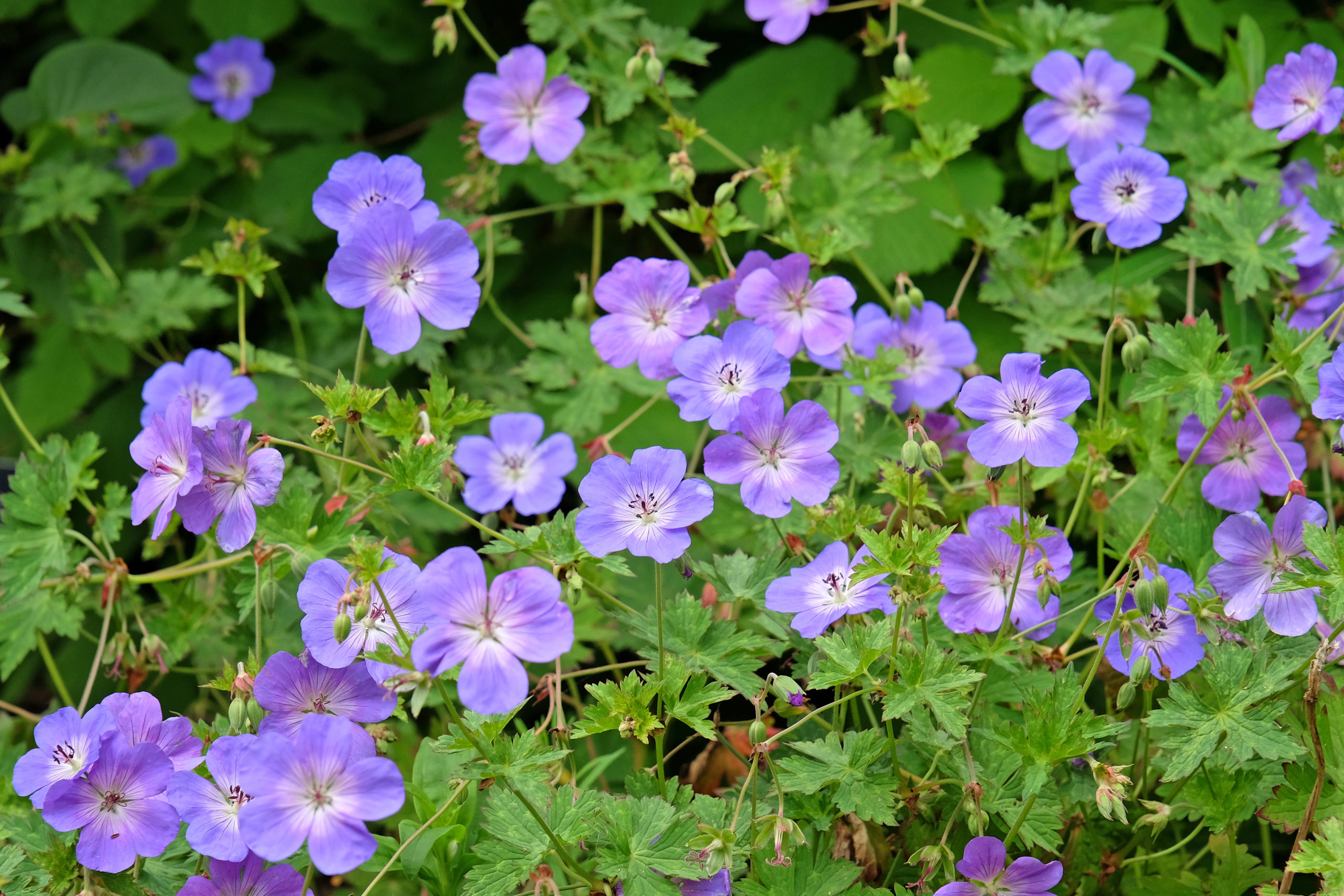
Geranium (the hardy cranesbill varieties, not the bedding plant) is one of the most useful plants in any West Midlands garden. It spreads gently, tolerates shade, handles clay, and flowers reliably for weeks. Geranium Rozanne is a particularly good variety, with a very long flowering season from early summer right through to autumn.
Achillea thrives in our summers and provides flat-headed flowers in yellows, pinks, and reds from June onwards. It’s drought-tolerant once established, which is useful during dry spells, and the seed heads look good well into winter.
Salvia nemorosa varieties are increasingly popular and for good reason. They’re compact, long-flowering, and reliably perennial in our climate. The blue and purple varieties are particularly striking and work well alongside grasses and other perennials.
Helenium is a late-summer workhorse. It flowers reliably from July onwards in warm oranges, reds, and yellows, handles our clay soils well, and provides excellent colour when many other perennials are starting to fade.
Grasses
Ornamental grasses have become much more prominent in planting design over the last decade, and they work particularly well in West Midlands gardens.
Miscanthus sinensis varieties are well-suited to our conditions. They provide movement and texture through summer and the seed heads persist through winter, adding interest when the rest of the border is quiet. Most varieties need a reasonably open spot and will handle clay if drainage isn’t too poor.
Deschampsia (tufted hair grass) is useful in shadier spots where many grasses struggle. It’s native to the UK, grows well in clay, and produces delicate, airy flower heads that catch the light beautifully in summer.
Trees for smaller gardens
Most gardens in our area aren’t large enough for a full-sized tree, but a well-chosen smaller tree adds height, structure, and often wildlife value that nothing else quite replicates.
Amelanchier lamarckii is one of the best small trees for West Midlands gardens. It produces white blossom in spring before the leaves open, good summer foliage, berries for birds, and reliable autumn colour. It tolerates clay and doesn’t outgrow its welcome.
Prunus varieties (ornamental cherries) are widely planted across our region and with good reason. They flower reliably in March and April, handle most soils, and add seasonal drama to a garden that would otherwise look bare at that time of year. Prunus Kojo-no-mai is a compact, twisting variety that works well in smaller spaces.
A note on soil preparation
Whatever you plant, the soil it goes into matters more than most people realise. We don’t recommend digging and turning the soil as was once standard practice; it disrupts the soil biology that plants depend on. Instead, incorporating organic matter such as garden compost or well-rotted manure into the planting hole and as a mulch on the surface will improve structure, support drainage in clay, and help retain moisture in lighter soils.
Good soil preparation at planting time means plants establish faster, need less watering through their first summer, and perform better in the long run.
Getting the right plants in the right place
The best planting schemes aren’t just lists of good plants; they’re plants chosen for each other and for the specific conditions of a garden. Aspect, soil type, shelter, and the scale of the space all influence what will thrive.
If you’re thinking about replanting a border or starting from scratch, we’re happy to help. Our online consultation is a good starting point if you want expert input before committing to a planting plan.
Get in Touch